Our Contact Address
P.O. Box 53047
Riverside, CA 92517
Our Contact Address
P.O. Box 53047
Riverside, CA 92517

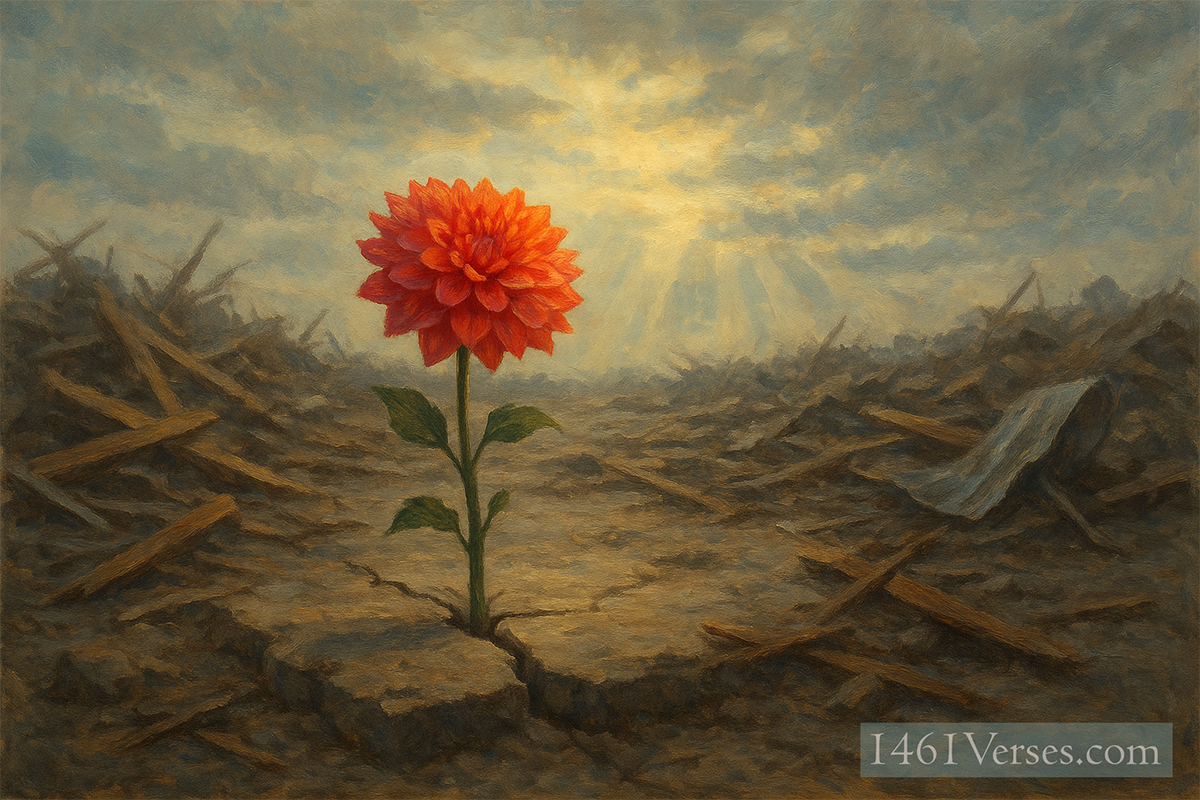
“All conditioned things are impermanent—when one sees this with wisdom, one turns away from suffering.”
— The Buddha, Dhammapada 277
In recent days, tornadoes have torn through communities across the Midwest and South, leaving behind unimaginable loss. Entire neighborhoods flattened, homes destroyed, and—most painfully—loved ones taken far too soon. For those mourning, words may feel hollow. But silence can feel even heavier. This reflection is offered not as an answer, but as a companion in grief.
In Buddhism, suffering (dukkha) is not denied or diminished. It is acknowledged as part of the human experience. And among the deepest sufferings is the pain of losing someone we love. Buddhism teaches that all things are impermanent—not to trivialize loss, but to remind us to cherish every moment, to hold our loved ones close, and to honor their memory with the way we continue on.
For those grieving, it is okay to fall apart. Grief is not weakness; it is the echo of love. The path forward is not about forgetting or moving on—it is about remembering with tenderness, and allowing compassion, even in sorrow, to lead us.
In the rubble, may we find not only mourning, but meaning. In the stillness, may we sense the presence of those we’ve lost. And in our shared suffering, may we discover the strength to carry one another forward.
In the aftermath of disaster, loss takes many forms—loved ones, homes, memories, safety, and the rhythm of daily life. Spiritual traditions around the world offer different lenses through which to understand and endure this suffering, yet all speak to the need for compassion, resilience, and community:
No matter the faith, the message is clear: though loss may shake what we know, it cannot destroy the light we carry together.
Even in the ruins, I am not alone. I hold space for sorrow and make room for grace. I send compassion to all who suffer, and I walk gently through this fragile world, a vessel of love and healing.


